

30,000
Cases per year in United States¹
<60
years of age
Strikes a relatively young population²
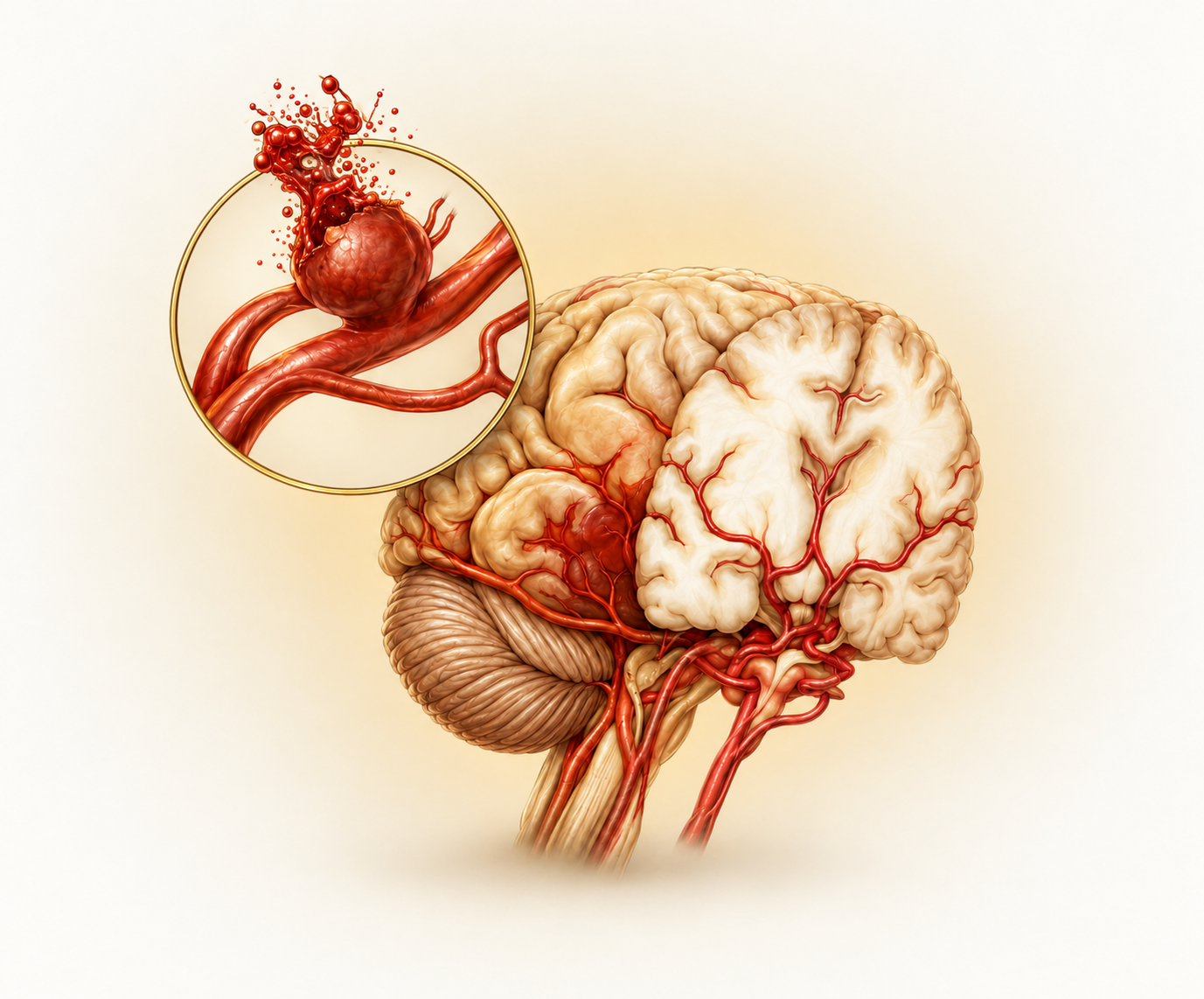
A BREAKTHROUGH DEVICE FOR THE TREATMENT OF ASAH
When blood enters the brain’s protective fluid, time matters.
Cerebrospinal fluid (CSF) is the clear fluid that circulates around the brain and spinal cord, helping cushion these structures, deliver essential nutrients, and remove metabolic waste. Aneurysmal subarachnoid hemorrhage (aSAH) is bleeding from a ruptured brain aneurysm into the CSF-filled space around the brain, where blood and its breakdown products can contribute to further injury—the focus of the PILLAR-XT study.
The Neurapheresis™ System is intended for filtration of CSF and is indicated for the accelerated removal of blood and blood-breakdown products from the CSF of patients following aneurysmal subarachnoid hemorrhage (aSAH).
Important safety and regulatory information
The Neurapheresis™ System is an investigational device, limited to investigational use under an Investigational Device Exemption (IDE). It has not been cleared or approved by the U.S. Food and Drug Administration (FDA). Breakthrough Device Designation does not change the investigational status of the device.
30,000
Cases per year in United States¹
<60
years of age
Strikes a relatively young population²
Unable to return to prior employment¹
Average hospitalization cost per patient¹
Adapted from the 2021 Study, “When the Blood Hits Your Brain: The Neurotoxicity of Extravasated Blood”
The First 72 hours matter.
aSAH Strikes
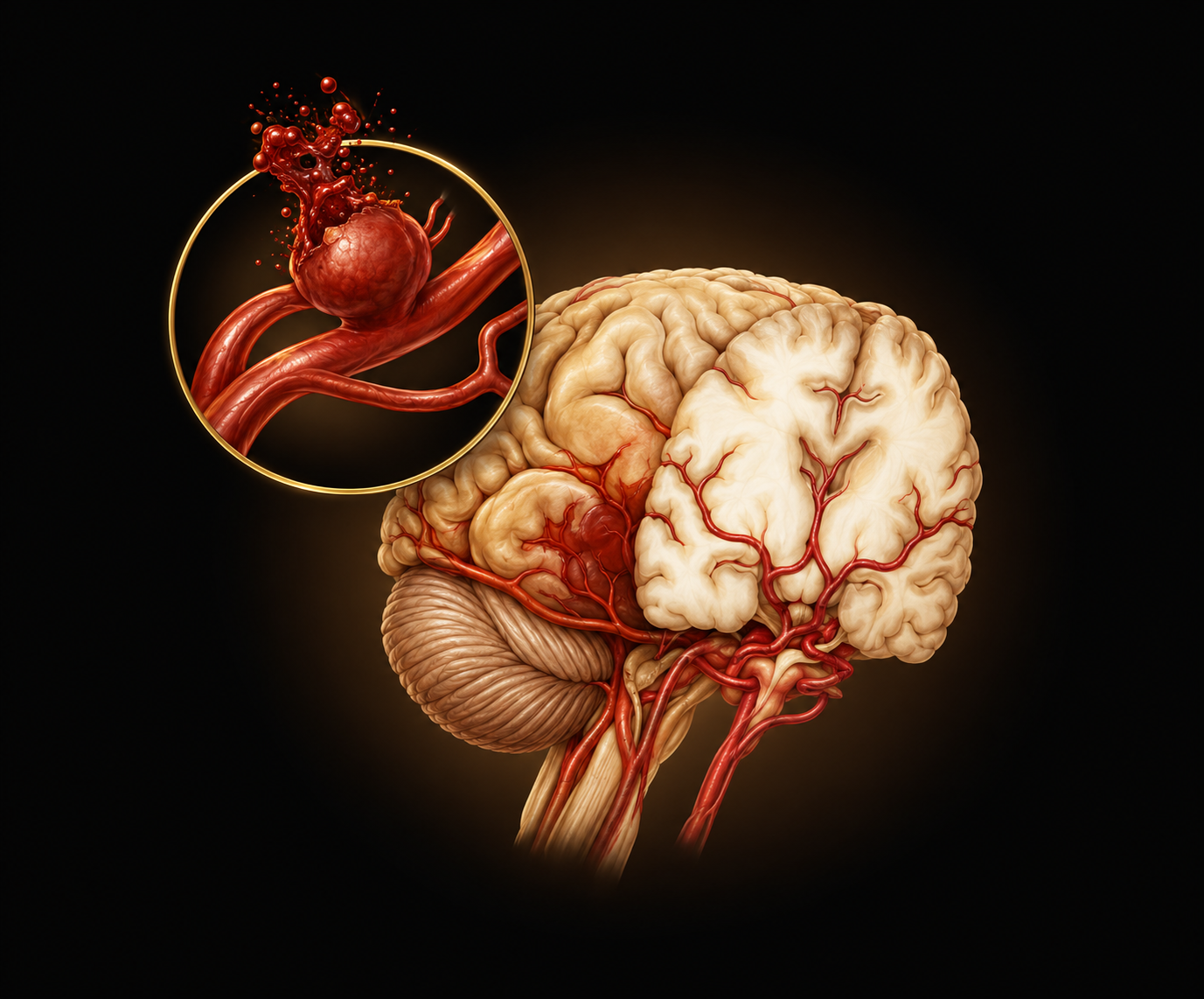
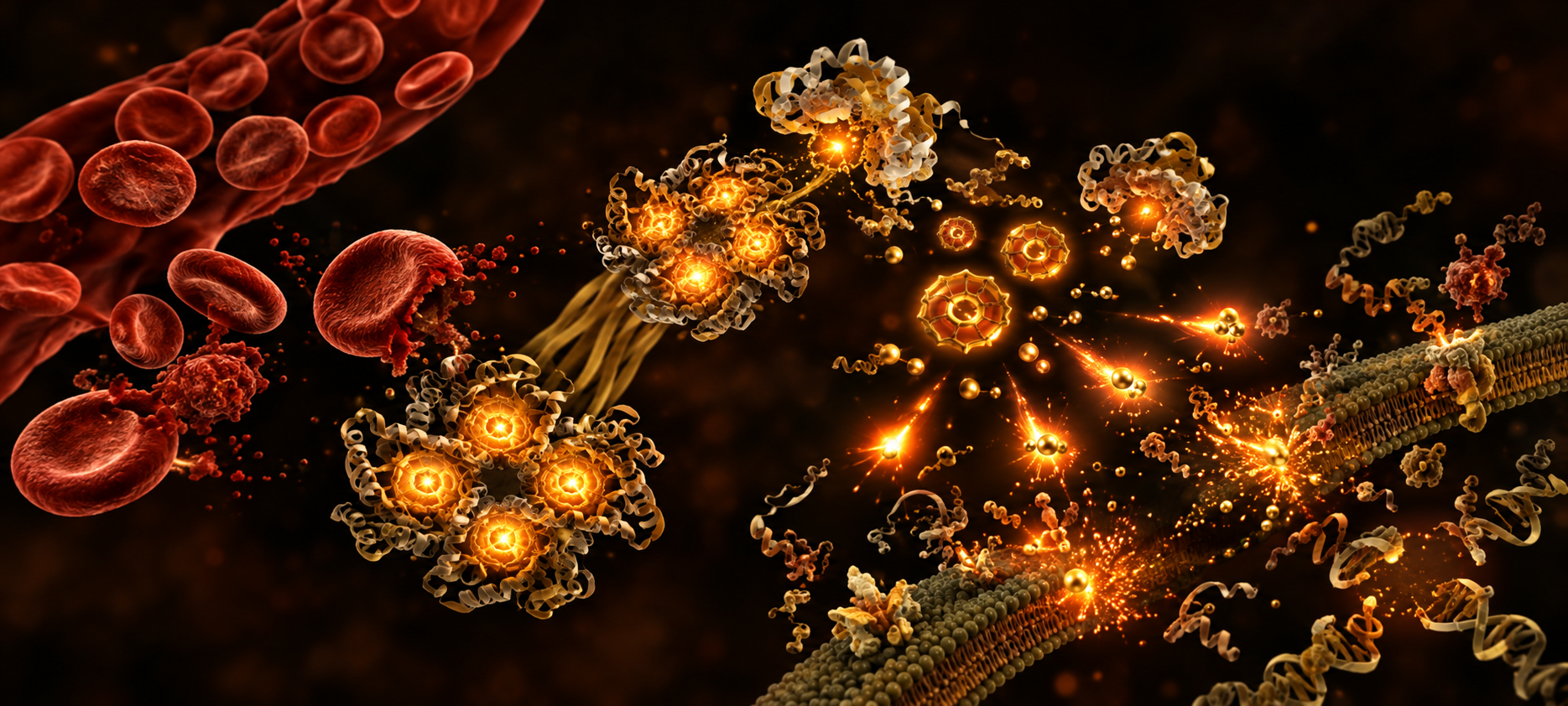
As blood begins to break down, its breakdown byproducts (e.g., hemoglobin, thrombin, ferratin) become increasingly neurotoxic¹
Standard of Care:
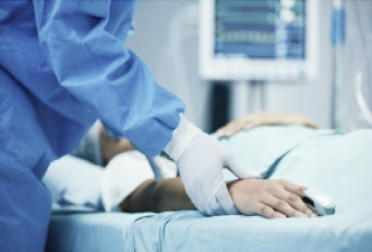
Watchful waiting
Natural clearance systems may be overwhelmed leading to secondary injury such as delayed cerebral ischemia, edema, & seizures³
Research is targeting accelerated blood clearance from the CSF as a promising therapeutic strategy1,4
The Neurapheresis™ CSF Management System represents a novel approach: a closed-loop, external, automated CSF management platform designed to aspirate, filter and return a patient’s CSF through lumbar access, removing blood and blood-breakdown products without introducing replacement fluids. The system combines inline filtration with continuous, pressure-based safety monitoring to concentrate blood-containing waste for drainage while returning filtered CSF to the patient.
1. Stokum JA, Cannarsa GJ, Wessell AP, Shea P, Wenger N, Simard JM. When the blood hits your brain: the neurotoxicity of extravasated blood. Int J Mol Sci. 2021;22(10):5132. doi:10.3390/ijms22105132
PubMed · Free full text (PMC8151992)
2. Sabra, A., Philip, K., Levin-Carrion, Y., Ha, C. J., Sahoo, A., Huynh, T., Landzberg, D., Singla, A., Liu, J. K., Atchaneeyasakuul, K., Khandelwal, P., & Otite, F. O. (2026). Medical Complications After Aneurysmal Subarachnoid Hemorrhage: Analysis of Trends in US Admissions from 2006 to 2022. Neurocritical Care, 44(3), 1025-1035. https://doi.org/10.1007/s12028-025-02443-6
3. Bulters D, Gaastra B, Zolnourian A, Alexander S, Ren D, Blackburn SL, Borsody M, Doré S, Galea J, Iihara K, Nyquist P, Galea I. Haemoglobin scavenging in intracranial bleeding: biology and clinical implications. Nat Rev Neurol. 2018;14(7):416–432. doi:10.1038/s41582-018-0020-0
PubMed
4. Blackburn SL, Babi MA, Grande AW, Choudhri OA, Hauck EF, Kellner CP, Giordano MC, Lad SP, McCabe AR. Prospective trial of cerebrospinal fluid filtration after aneurysmal subarachnoid hemorrhage via lumbar catheter extension (PILLAR-XT). Neurocrit Care. 2025;43(3):934–946. doi:10.1007/s12028-025-02328-8
PubMed (PMID 40745075) · Free full text (PMC12647249)